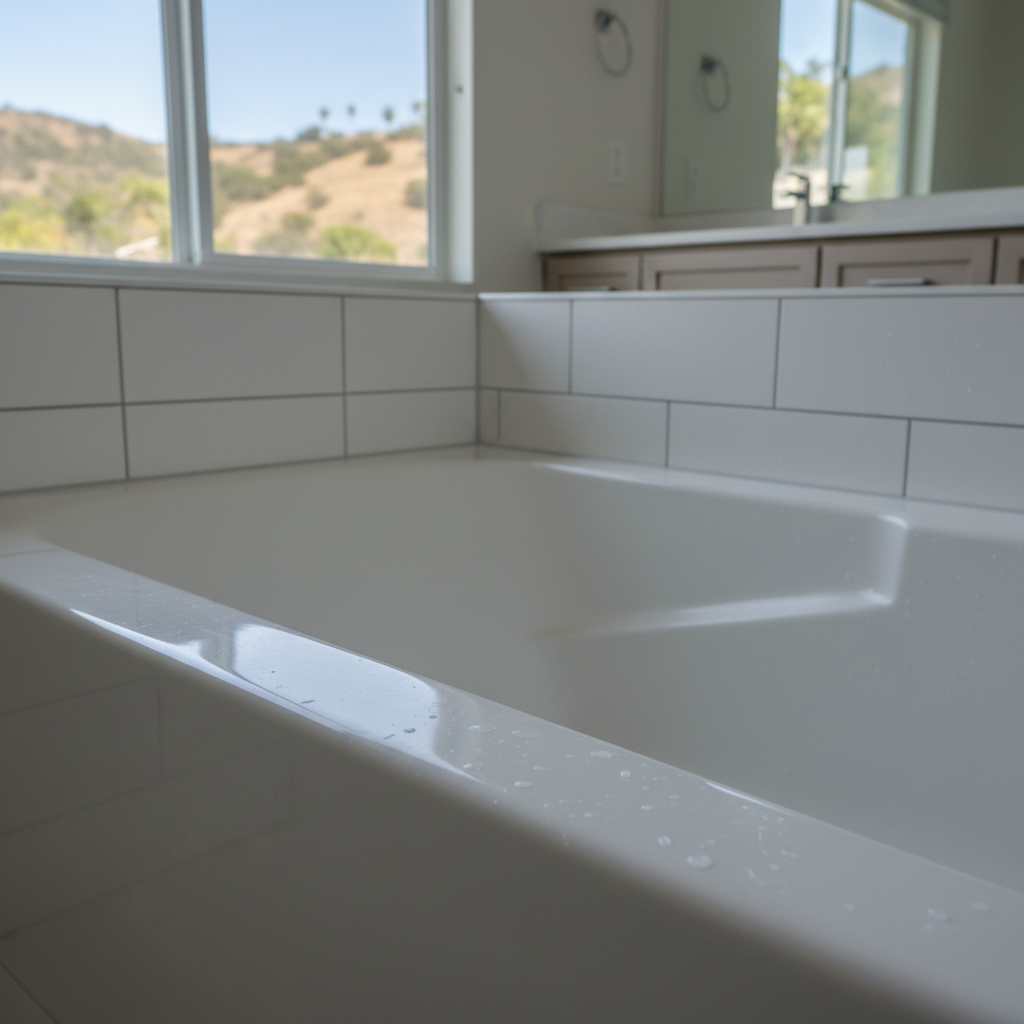
So, your old bathtub's seen better days, hasn't it? Maybe it's chipped, stained, or just plain ugly. Or maybe you're finally ready to ditch that old fiberglass combo for something a little more luxurious. Replacing a bathtub is a big job, no doubt about it. It's one of those projects where you really need to know what you're doing, otherwise you'll just end up with a bigger headache than you started with.
I've been doing this for years here in Lynwood, and I've seen everything. From folks trying to DIY a tub install with a hacksaw and a prayer, to perfectly planned remodels. Let's break down what you need to know before, during, and after you swap out that old tub.
Before You Start: Planning & Prep
This is where most people mess up. They see a shiny new tub online and think, "I can just pop that in." Nope. Not even close. First, you need to decide what kind of tub you actually want. Are you sticking with a standard alcove tub, or are you dreaming of a freestanding soaker? The type of tub you pick dictates a lot about the work involved.
- Measure, measure, measure: Seriously, measure your existing tub space. Then measure the doorway into your bathroom, and any hallways. You'd be surprised how many times I've seen a beautiful new tub delivered only to find it won't fit through the bathroom door.
- Plumbing considerations: Is your new tub going in the exact same spot? If not, you're looking at moving drain lines and water supply lines. That's a job for a licensed plumber, absolutely. Even if it's going in the same spot, you'll need to check the condition of your existing plumbing. Old galvanized pipes? You might want to upgrade those while everything's open.
- Subfloor and support: A new tub, especially a cast iron one or a large soaker, is heavy. Add water and a person, and you're talking serious weight. Is your subfloor strong enough to handle it? In older Lynwood homes, especially those built on pier-and-beam foundations, you might need to reinforce the floor joists. This isn't something you want to guess about.
- Ventilation: While not directly about the tub, if you're opening up walls, it's a great time to check your bathroom fan. Proper ventilation is crucial to prevent mold and mildew, especially with a new tub in place.
During the Project: Demo & Installation
Okay, you've planned everything out. Now comes the fun part: getting the old tub out and the new one in. This is where the DIY vs. Pro line gets pretty clear, wouldn't you say?
Demo: What You Can Realistically Do
Taking out an old fiberglass or acrylic tub/shower combo? You can probably handle that yourself if you're handy and have the right tools. You'll need to shut off the water, disconnect the drain and overflow, and then carefully cut and remove the old unit. Be prepared for dust, debris, and potentially some unexpected water damage behind the walls.
A cast iron tub? Forget about it unless you've got a crew and specialized tools. Those things are incredibly heavy and usually need to be broken into pieces to be removed, which is dangerous work. Seriously, don't try to move a cast iron tub by yourself. You'll end up in the ER, trust me.
Installation: When to Call a Pro
Installing the new tub is almost always a job for a professional, especially if it's an alcove tub that needs to be perfectly level, sealed, and integrated with new tile or wall surrounds. Here's why:
- Leveling: A tub that isn't perfectly level won't drain correctly, and it'll look awful. Getting it just right takes skill and patience.
- Plumbing connections: Connecting the drain, overflow, and faucet fixtures needs to be done perfectly to prevent leaks. A small leak can cause huge damage over time, especially in a humid environment like a bathroom.
- Waterproofing: This is critical. If you're installing a tub/shower combination, the waterproofing behind the walls and around the tub flange is what prevents water from getting into your wall cavities and causing rot and mold. This isn't a place to cut corners. At Lynwood Bathroom Construction, we use specific techniques and materials to ensure a watertight seal that lasts.
- Tile work: If you're tiling around the tub, that's another specialized skill. Good tile work is an art; bad tile work is a nightmare.
After the Install: Finishing Touches & Maintenance
Once the tub is in, the plumbing's connected, and the walls are sealed, you're almost done. You'll need to finish up any tiling, grout, and caulk around the edges. Use a good quality silicone caulk for a watertight seal, and make sure it's applied smoothly.
For maintenance, it's pretty straightforward: keep it clean, and regularly check your caulk lines for any signs of cracking or deterioration. Re-caulking every few years is a small job that can prevent big problems down the road. If you notice any persistent drips or slow drains, address them immediately. Don't let a small issue turn into a major repair.
Replacing a bathtub isn't a weekend warrior project for most folks. While you might save a few bucks on demolition, the critical parts of the installation—plumbing, leveling, and waterproofing—are best left to experienced hands. It's an investment in your home, and you want it done right the first time. If you're in Lynwood and thinking about a new tub, give us a call. We're happy to walk you through the options and make sure your new bathroom is exactly what you envisioned.