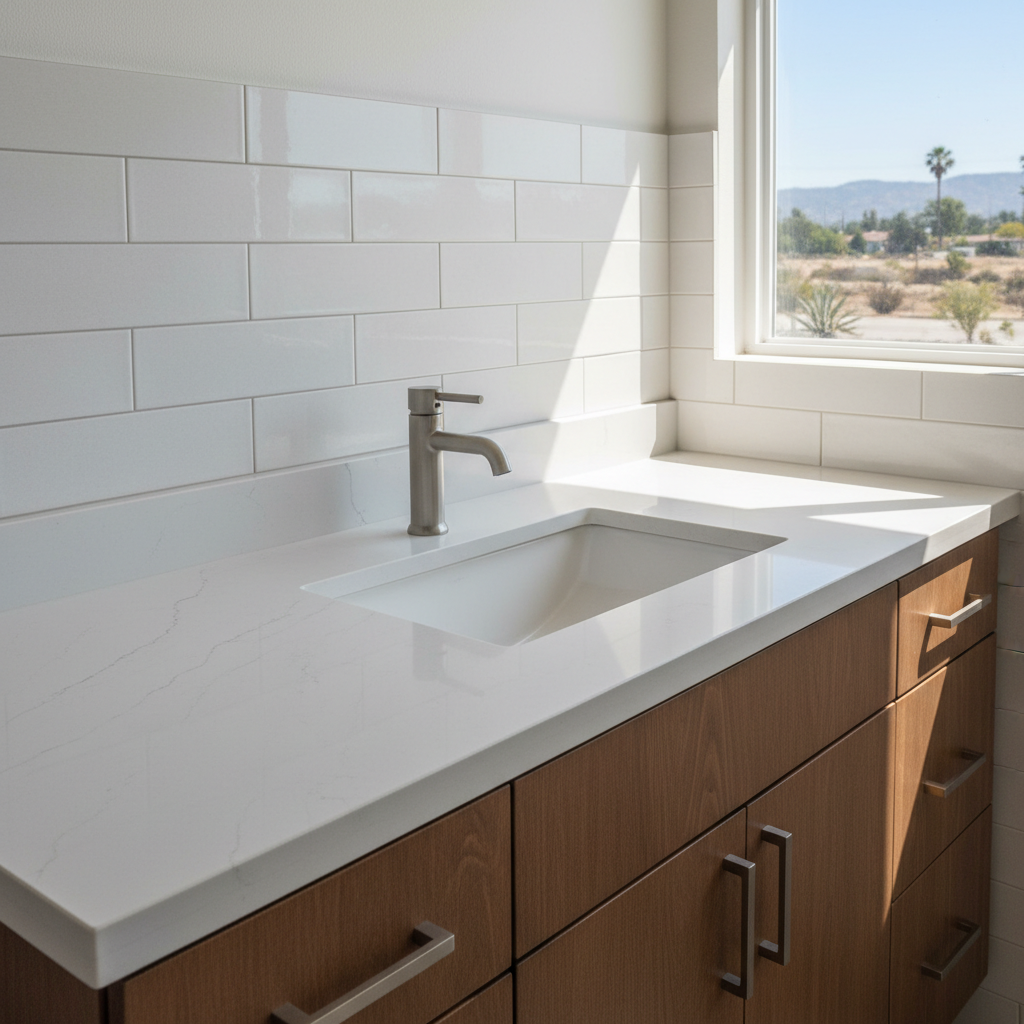
Thinking about a new vanity and sink?
So, you're looking at that old bathroom vanity and thinking, "It's time for a change." Good for you! A new vanity and sink can totally transform your bathroom without needing a full gut job. But before you grab a sledgehammer, let's talk about what's involved. I've seen a lot of these projects come and go in Lynwood, and I can tell you what's usually a good DIY move and when you really should call in someone like us at Lynwood Bathroom Construction.
Before You Start: The Planning Stage
This is where most folks either set themselves up for success or for a major headache. Don't skip this part. First off, measure everything. And I mean everything. Measure the space where the vanity goes: width, depth, height. Measure your doorway to make sure the new vanity can actually get into the bathroom. You'd be surprised how often that gets overlooked. If you're replacing an existing vanity, check the plumbing. Is it coming out of the wall or the floor? Is it centered? Are the shut-off valves working? If they're old and corroded, you'll want to replace those while you're at it. Trust me, you don't want a leaky valve after everything's installed.
Think about the type of vanity you want. A freestanding one is usually easier to install than a wall-mounted unit, which needs solid blocking in the wall studs. Also, consider the sink type. A drop-in sink is generally simpler for a DIYer than an undermount, which requires more precise cutting and sealing of the countertop. If you're going for a custom countertop with an undermount sink, that's often where the DIY line starts to blur.
What You Can Probably Do Yourself
If you're handy, you can definitely handle a good chunk of this project. Here's what's usually within reach for a homeowner:
- Demolition: Taking out the old vanity is often straightforward. Just make sure you turn off the water supply first! Drain the lines, disconnect the P-trap, and unbolt the old unit.
- Assembling the new vanity cabinet: Many vanities come flat-packed. If you can follow IKEA instructions, you can probably put this together.
- Setting the vanity in place: Once assembled, you can usually position the new cabinet. Make sure it's level. This is crucial for proper drainage and for the countertop to sit right. Use shims if needed.
- Installing a drop-in sink: If your countertop is pre-cut for a drop-in sink, you can usually set it in place, apply a bead of silicone sealant, and secure it with clips.
- Connecting the P-trap: This is the curved pipe under the sink. It's usually plastic and hand-tightened. Just make sure the trap arm has a slight downward slope towards the wall drain.
These tasks are pretty manageable if you take your time and have the right basic tools.
When to Call a Pro (Like Us)
Alright, this is important. There are definitely times when trying to save a buck can cost you a lot more in the long run. Here's when you should seriously consider calling in a professional:
- Plumbing modifications: If your new vanity requires moving water lines or the drain pipe, that's a job for a licensed plumber. Messing with supply lines or drain lines can lead to leaks, water damage, and costly repairs down the road. Especially with some of the older homes in Lynwood, where pipes might be galvanized steel or have seen better days, you don't want to risk a burst pipe.
- Electrical work: If you're adding new outlets inside the vanity or moving light fixtures, you need an electrician. Water and electricity don't mix, and it's not worth the risk.
- Custom countertop fabrication/installation: If you're getting a granite, quartz, or other solid surface countertop, especially with an undermount sink, leave the cutting, polishing, and installation to the pros. They have the specialized tools and expertise to do it right and avoid cracking expensive material.
- Wall-mounted vanities: These look great, but they need to be securely anchored to wall studs, often requiring additional blocking inside the wall. If you're not confident about finding studs and ensuring a rock-solid mount, get help.
- Water damage or mold issues: If you discover rot, mold, or significant water damage when you remove the old vanity, stop what you're doing and call in a remediation specialist or a contractor. You need to address the underlying problem before installing anything new.
- You're just not comfortable: Hey, no shame in admitting you're not a plumbing wizard. If the thought of dealing with water lines makes you sweat, or you just don't have the time, that's what we're here for. We do this stuff every day.
After the Install: The Final Touches
Once everything's in, turn the water back on slowly. Check for leaks at every connection point – under the sink, at the shut-off valves, and where the P-trap connects. Run the water for a few minutes, fill the sink, and then let it drain to ensure everything's flowing properly. Apply a bead of caulk where the vanity meets the wall and floor to seal out moisture. This is especially important in a humid bathroom environment. A little maintenance goes a long way in keeping your new vanity looking good for years.
A new vanity and sink can really spruce up your bathroom. Just know your limits, plan ahead, and don't be afraid to call in the experts when you need them. We're always here to help Lynwood homeowners get their bathrooms just right.