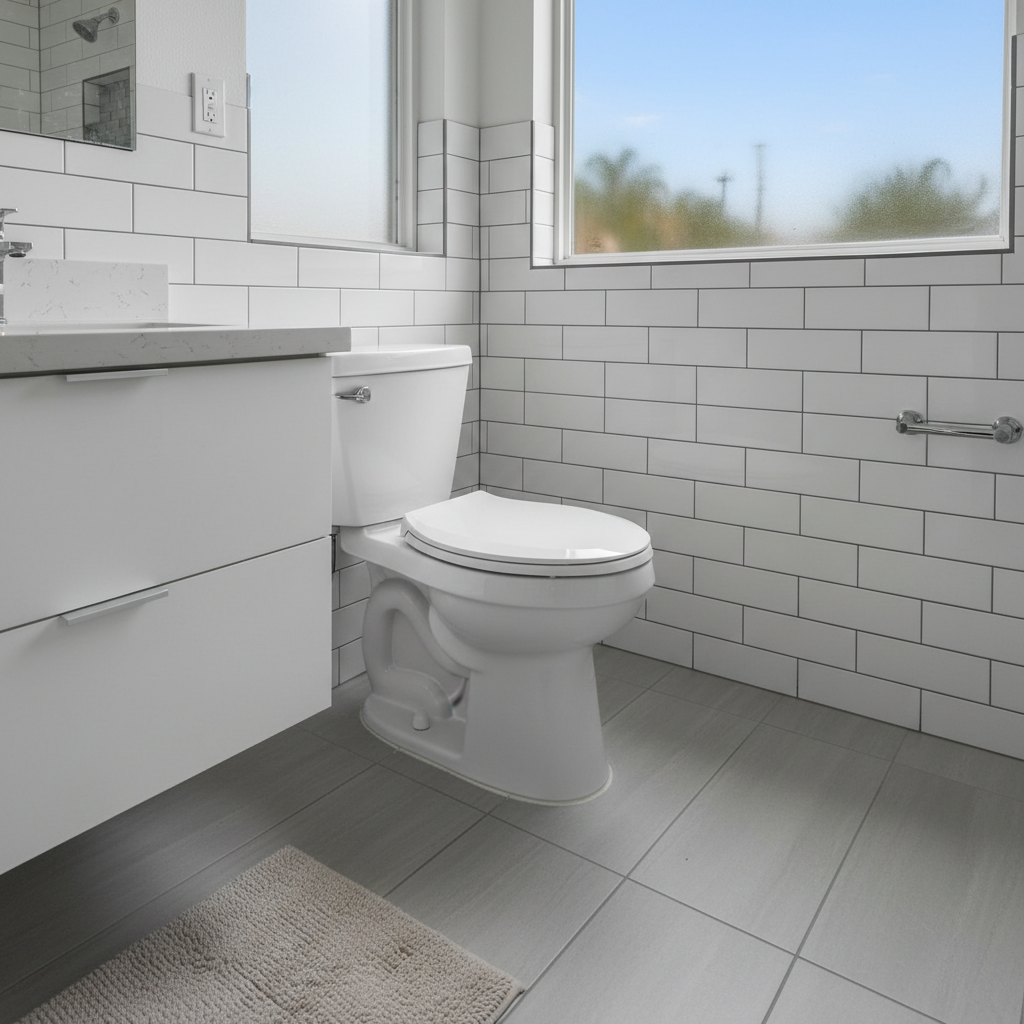
You'd think putting in a toilet would be pretty simple, right? It's just a toilet! How hard can it really be? Well, I've been doing this work in Lynwood for years, and honestly, I've seen some real head-scratchers. Homeowners often stumble over things they never even considered, and it ends up costing them time, money, and a whole lot of headaches. So, let's talk about the biggest mistakes I run into.
Not Measuring the Rough-In
This is probably the number one mistake people make, and it’s a huge one. Folks get all excited about a fancy new toilet they spotted online or at the big box store, buy it, and then realize it just won't fit. Your rough-in measurement is the distance from the wall behind the toilet to the very center of the drainpipe – that's where the bolts holding the toilet down are. Most standard toilets need a 12-inch rough-in. But older homes, especially some of those charming bungalows around Atlantic Avenue, might have 10-inch or even 14-inch rough-ins. If you buy a 12-inch toilet for a 10-inch rough-in, it won't sit flush against the wall. It’ll look goofy, and you'll have a gap. And if it's a 14-inch rough-in, you'll end up with an even bigger gap. Always, always measure your rough-in before you even start looking at toilets, okay?
Skimping on Quality Parts (Especially the Wax Ring)
Look, I get it, everyone wants to save a buck. But some places are just not worth cutting corners, seriously. Take the wax ring, for example. This little guy creates the seal between your toilet and the drainpipe. A cheap, flimsy wax ring, or one that's put in wrong, is just asking for leaks. We're talking slow, sneaky leaks that can rot your subfloor, grow mold, and even attract pests. You won't even know it's happening until it turns into a big, expensive mess. Spend a few extra dollars on a high-quality, reinforced wax ring. It's really cheap insurance. Same goes for the supply line – don't reuse an old, brittle one. A braided stainless steel line is always the smartest choice.
Ignoring Local Plumbing Codes
Lynwood, just like any other city, has its own specific plumbing codes. While most toilet installations are pretty standard, if you're doing something a little unusual, or if your home is older and you're upgrading, you might run into code issues. For instance, some codes specify certain water-saving flush volumes. You definitely don't want to install a new toilet only to find out it doesn't meet current efficiency standards and then have to replace it again or face fines. A good contractor, like us at Lynwood Bathroom Construction, knows these codes inside and out. If you're doing it yourself, make sure to do your homework with the city's building department.
Hiring the Cheapest Bid Without Vetting
This one's a classic. You get three bids, and one is significantly lower than the others. Your first thought is,